
What I Wish More Parents Knew About Youth Sports
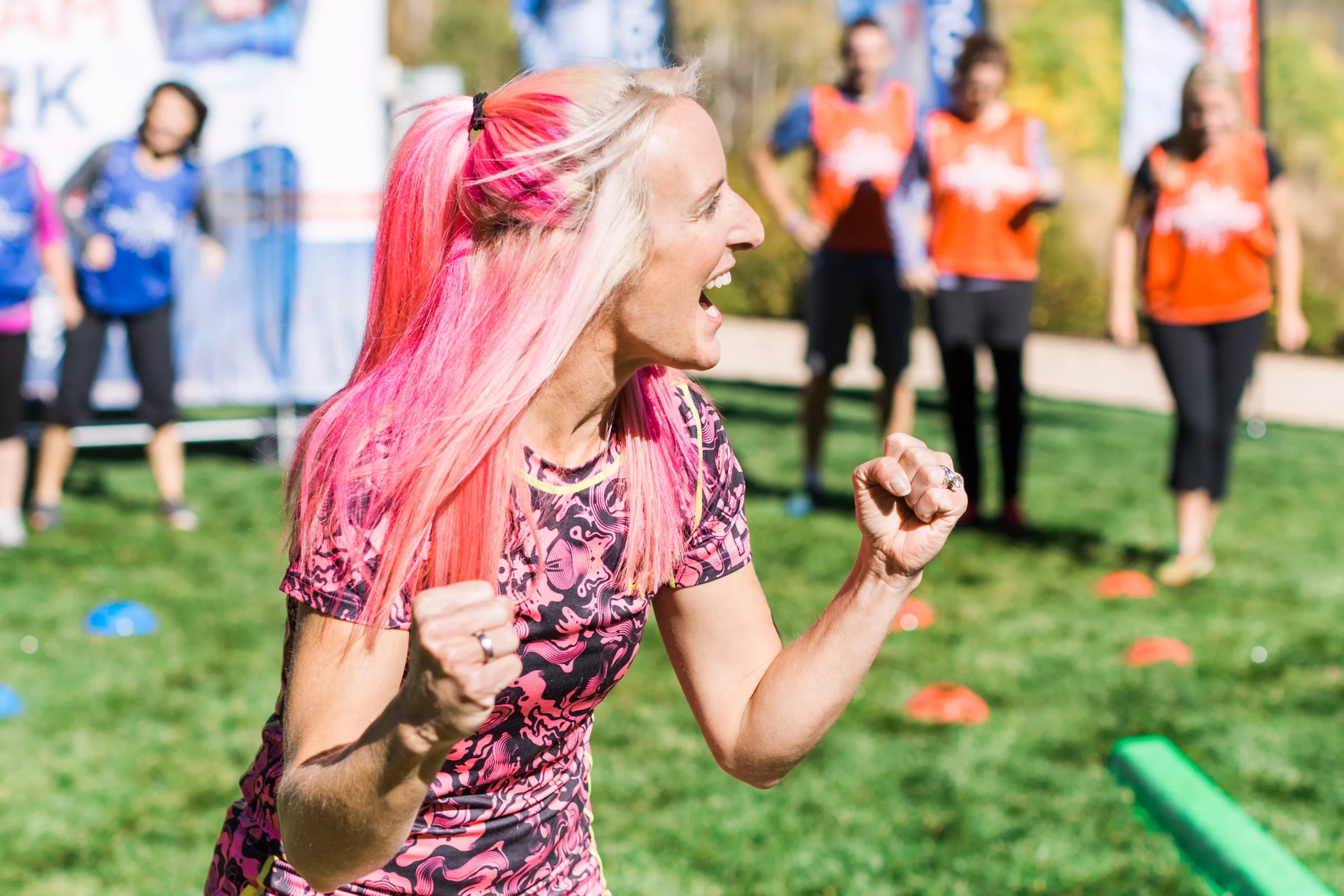
Giving my very best pep talk.
Words of Wisdom For All Parents & COACHES
Whenever I give keynote speeches around the country, it never fails that after I'm done, a few parents will come up and ask for advice about their child in sports. Maybe their child is feeling burned out, and they're wondering if they should push them to keep going. Maybe their child is injured, and they're looking for ways to support them through a difficult season. Maybe their athlete is incredibly talented but struggles when the pressure is on. Or maybe they're simply trying to figure out how to navigate today's increasingly competitive youth sports landscape.
This month, I'm taking a break from my normal newsletter. As I just dropped my daughter off for a week-long soccer sleepaway camp, I've found myself thinking about many of these same questions. So, as both an Olympian and a parent, I wanted to share a few of my biggest takeaways in hopes that they might help you too.
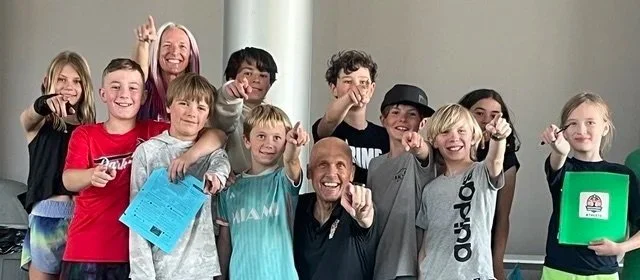
Champions in the making.
1. Let Kids Play Multiple Sports for as Long as Possible
Children should play multiple sports for as long as they can. Playing different sports develops a wider range of athletic skills, helps prevent burnout, reduces overuse injuries, and keeps sports fun. It also allows kids to discover what they truly love instead of feeling locked into one path too early. If you can't find a coach or club that supports multi-sport athletes, it may be worth asking whether it's the right fit. Great coaches understand that their job is to help young athletes become the best overall athletes and people they can be, not just the best players in a single sport. They recognize that skills learned in other sports often make athletes more adaptable, resilient, and successful in the long run.
2. Match Your Child's Enthusiasm
One of the best pieces of advice I ever received was from Erik Schlopy, a dad and 3X Olympic skier: Match your child's enthusiasm. If your child wants to train more, support them. If they're excited about extra practice, help them pursue it. But if you're dragging them to workouts they don't want to attend, it may be time to pause and ask why. The goal is not for your dreams to become their dreams. The goal is to help them chase their dreams with the same energy and commitment they bring to the table.
3. Lead by Example
Our kids are always watching. They watch how we treat officials. They watch how we talk about coaches. They watch how we react after mistakes, losses, disappointments, and victories. If we want resilient athletes, we need to model resilience. If we want respectful competitors, we need to show respect. If we want our kids to handle adversity well, they need to see us doing the same. Often, the lessons they learn from watching us are more powerful than anything we tell them.
4. Let Your Kids Learn Without You
This one can be incredibly difficult. If we are constantly telling our children what to do, how to do it, where to stand, when to pass, and what they should have done differently, they never get the opportunity to develop one of the most important skills in life: figuring it out for themselves. It is painful to watch your child struggle. It is hard to watch them make mistakes that seem obvious to you. But growth often lives on the other side of struggle. Sometimes our job isn't to solve the problem, it's to let them work through it on their own.
5. Ask What They Need After Competition
After a game, race, or competition, emotions can be running high. Instead of immediately analyzing performance or offering solutions, try asking: "What do you need right now? Do you want me to hear you, hug you, or help you?"
Sometimes they want to talk. Sometimes they want comfort. Most times they don't want advice at all. As parents, we often jump straight to helping. But many times our children simply need us to listen.
So, I told you all of the above to also tell you this: Two years ago, I partnered with fellow Olympian Doug Lewis to create Champions Advantage, a mental skills program for youth sports teams. While we provide athletes with practical tools to build confidence, handle pressure, stay focused, and perform at their best, what I'm most proud of is that we're teaching skills that extend far beyond sports.
Our goal has never been just to help athletes win more games or races. It's to help young people have fun, dig deep, embrace challenges, build resilience, and become the best athletes and humans they can be.
This year, we received the results from athletes across our program, and I couldn't be more excited about the impact we're seeing. The growth in confidence, teamwork, self-awareness, and mental skills has been incredible to watch.
If you're a parent, coach, or club leader and would like to learn more about what we've created, I'd love to connect and share more.
And thanks for indulging my youth sports thoughts this month. Whether you have young athletes, grown children, or no connection to sports at all, I think these lessons apply to all of us. We all benefit from following our passions, learning from challenges, supporting one another, and continuing to grow throughout our lives.
“Excellence is not a singular act but a habit. You are what you do repeatedly.”
5 Sports I Wish I Played When I Was Young
Lacrosse
Volleyball
Water polo
Pickleball
Javelin throw
See you in the next blog,
-Shannon :)
Girls lacrosse camp with Champions Advantage.